More Than a Logo on a Tote
Last year, at our 15th anniversary party, we set up a line-stitching station for guests to customize tote bags. They were able to fill in the blank: “I do it for ___” on their bag and take it home. Some people wrote a cause, some wrote a person’s name, some wrote an inside joke with their colleagues. By the end of the night we’d run out of bags, and nobody left theirs behind.
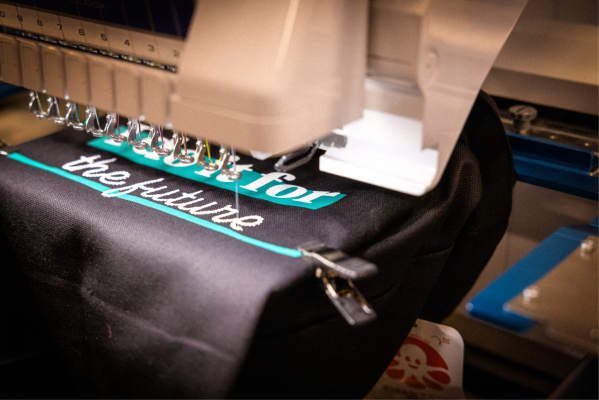
When done right, physical objects don’t feel like marketing. They feel like something that belongs to you.
Most nonprofit marketing never gets there. It either skips physical touchpoints entirely because digital is cheaper and easier to track, or it defaults to slapping a logo on a pen that’s going straight to a landfill.
The best physical experiences don’t replace digital, they amplify it. A thoughtfully designed tote, installation, or event activation becomes something supporters photograph, post, and talk about, extending your reach well beyond the people in the room.
You’re Leaving Something on the Table
We live in a digital-first era (obviously). Lower costs, broader reach, and better data make digital an easy choice for nonprofits looking to maximize their limited marketing budgets.
But digital-first has quietly become digital-only for a lot of organizations. When every touchpoint lives on a screen, you’re competing for the same three seconds of attention as every other email and notification your supporters get that day.
They’ve had years of practice swiping past ads, and they’re hungry for something different. The same person who archives your newsletter without opening it will stop for a well-designed event installation, wear a shirt they actually like to the grocery store, or keep a sticker on their water bottle for three years. The appetite for real, physical connection is alive and well.
What a Physical Object Can Do That a Screen Can’t
It sticks around. A great email has a lifespan of hours. A great tote bag can stay in someone’s daily routine for years, moving through grocery runs, work bags, and weekend trips, carrying your brand into spaces and conversations you never paid to reach.
It also creates belonging in a way a screen can’t manufacture. Wearing an organization’s gear in public is an act of community membership. The person across the coffee shop who recognizes your shirt is a potential volunteer, donor, or ally who just learned something about you for free. When someone chooses to put your brand on their body, it’s a priceless endorsement.
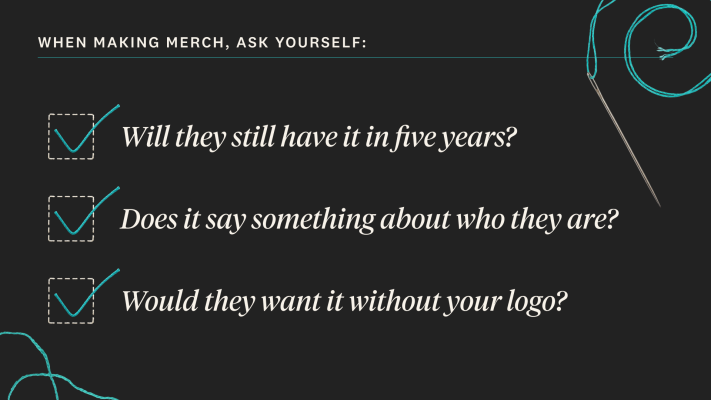
Bad Merch Is Worse Than No Merch
That being said, a landfill full of branded plastic keychains isn’t a brand strategy. For mission-driven organizations whose supporters care about sustainability, throwaway swag is a credibility problem. Expensive throwaway swag is the worst outcome of all.
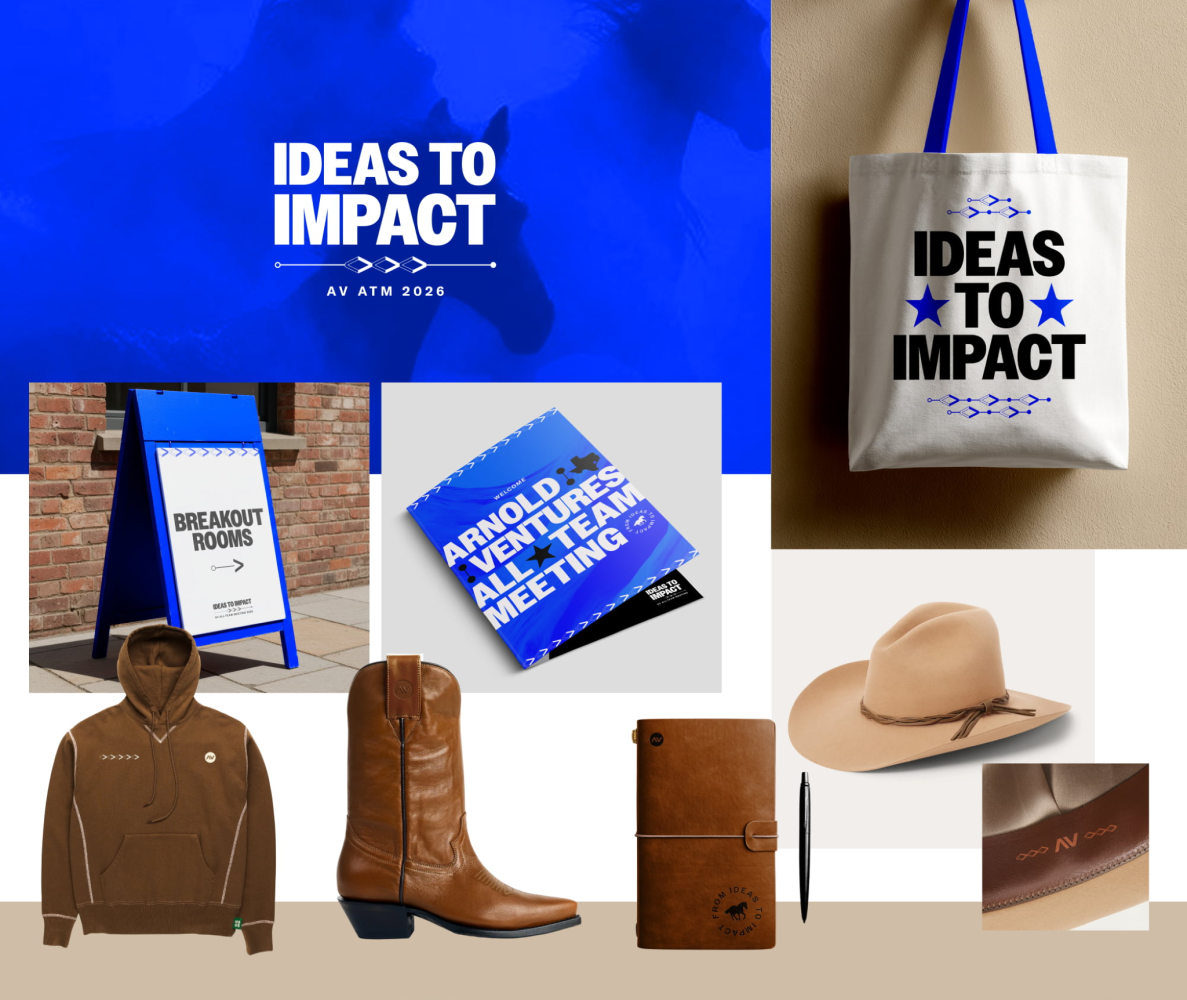
One intentional item, made well, creatively designed, and sourced responsibly, will outperform a bag of forgettable giveaways. And it’s usually cheaper once you factor in what it actually accomplishes. For Arnold Venture’s Ideas to Impact conference, we invested heavily in a few premium swag items – cowboy boots, leather journals, high-quality sweatshirts – to create a lasting impression for attendees who are flooded with throwaway junk.
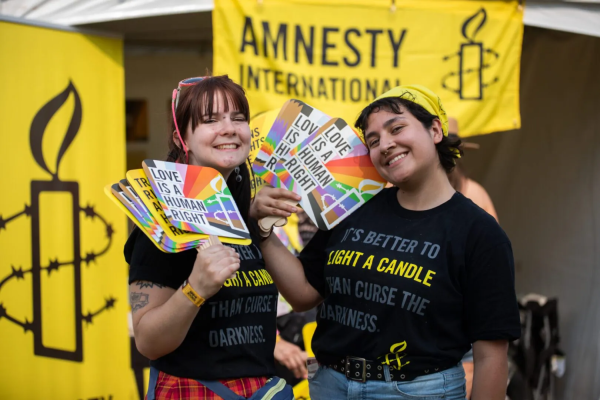
Even lower-budget items can make a big impact. For Bonnaroo each year, we make bandanas and fans that Amnesty International hands out to help people beat the heat. The key isn’t spending more, it’s creating something people genuinely want to use.
Events: Where It Really Comes Together
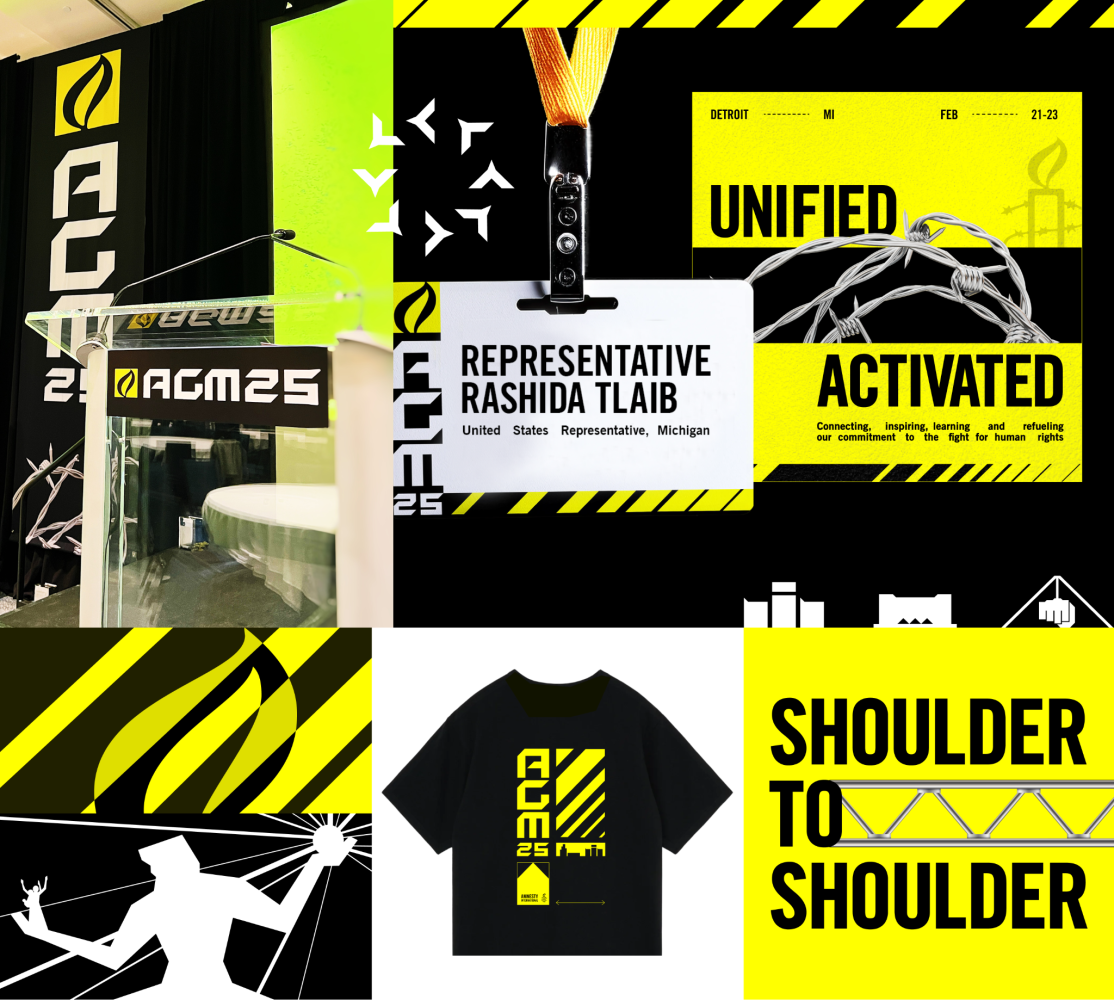
Events give your brand a physical form that no website can replicate. Your values and visual identity show up in the same room at the same time, and the organizations that do this well treat every element of the environment as a communication tool: the stage backdrop, the badge lanyard, the shirt the volunteer wears when someone walks in the door.
We’ve built the creative identity for Amnesty International USA’s Annual General Meeting for the past five years running, and the brief never repeats itself. Each year gets its own concept and visual language rooted in the political moment. AGM25 in Detroit drew on the city’s labor history, with that energy running from the stage design all the way to staff t-shirts printed with “Shoulder to Shoulder.” It holds together because every element connects back to the moment, the audience, and the mission.
Know Your People, Make Something They’ll Keep
For any of this to work, you have to know your audience well enough to make something specific to them, and something that helps them express what they care about. The organizations that get this right have more than supporters. They have people who wear the mission on their bodies and carry it into rooms you’ll never reach.
So what are you giving your people to carry?

